
The Ultimate Guide to
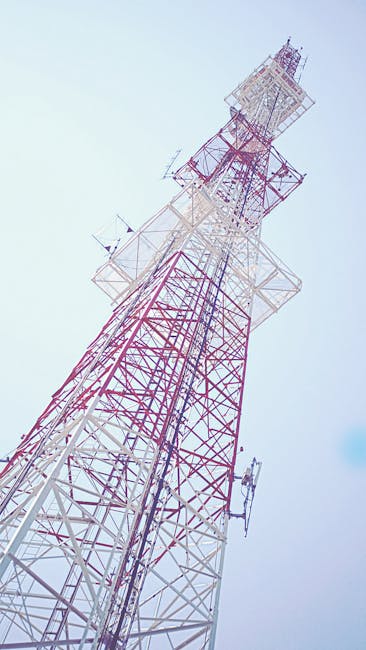 Recognizing Wireless Systems: The Future of Connectivity
In today’s fast-paced electronic globe, wireless systems have come to be an indispensable component of our daily lives. From smartphones and laptop computers to clever home gadgets, the dependence on cordless innovation has actually escalated substantially over the previous years. This quick evolution not only enhances interaction however likewise improves the total customer experience, allowing for smooth connections throughout different applications. In this article, we will certainly look into what wireless systems entail, their types, advantages, difficulties, and their future in a swiftly progressing technical landscape.
Wireless systems largely entail the transmission of information over a range making use of electro-magnetic waves rather than wired links. These systems can be identified into several types, including Wi-Fi, Bluetooth, cellular networks, and satellite communication. Each kind serves an unique function and operates on details regularities to promote interaction. For instance, Wi-Fi networks are typically made use of for local area network connectivity, while mobile networks make it possible for mobile interaction over substantial distances, dealing with numerous customers concurrently.
The benefits of wireless systems are manifold. First of all, they provide exceptional ease, enabling users to accessibility info and solutions from practically anywhere without being tethered to a physical connection. This adaptability has resulted in the increase of mobile computer and the Net of Things (IoT), where daily items are adjoined, improving functionality and customer experience. Furthermore, wireless systems often reduced installment costs and streamline network monitoring, making them an eye-catching alternative for services and individuals alike.
Regardless of their countless benefits, cordless systems additionally face obstacles such as security problems and signal disturbance. The open nature of cordless interaction makes it susceptible to unapproved gain access to and data breaches. For that reason, it is vital for customers and organizations to execute robust safety and security steps, such as encryption and VPNs, to safeguard their data. In addition, aspects like physical obstructions, distance, and environmental conditions can cause signify degradation, impacting the integrity of wireless communications.
Looking ahead, the future of cordless systems appears bright, driven by continuous improvements in technology. With the rollout of 5G networks, customers can anticipate dramatically much faster speeds, lower latency, and boosted connectivity for an ever-growing number of gadgets. This will lead the way for innovations in fields such as self-governing lorries, telemedicine, and smart cities, placing cordless systems as the foundation of the linked world. As modern technology continues to progress, so will certainly the capabilities of cordless systems, inevitably improving the method we connect and connect with our environments.
In conclusion, cordless systems are not just a fleeting fad yet a fundamental element of modern connection. Through understanding their kinds, benefits, and obstacles, individuals and organizations can better value their significance in today’s digital landscape. As we advance toward an extra interconnected future, welcoming cordless innovation will be vital to opening new possibilities and improving our everyday lives.